
Yes, but it is rare.
Microgreens are eaten raw, and any raw produce can carry germs that cause food poisoning. For years, the record tied microgreens to recalls but not to illness. That changed a little in 2026, when federal officials linked a Salmonella outbreak in part to microgreens. If you have wondered can microgreens make you sick, this guide gives the honest answer. It covers what the records show, how germs get in, who should take extra care and the simple habits that lower your risk. Every claim has a source you can check.
Key Takeaway
Yes, but rarely. A 2020 USDA-led review found microgreens tied to seven recalls and no outbreaks (Turner et al., 2020). In 2026, an FDA investigation linked a Salmonella outbreak to broccoli sprouts and microgreens grown from a contaminated seed lot. Buy them cold and wash them right before eating.
Below: the short answer, the outbreak record, how germs get in, who should be careful, symptoms to watch for and how to lower your risk.
Microgreens 411
Find a microgreens grower near you
Greens that travel less start fresher in your fridge. Find my local grower →
Table of Contents
- Can microgreens make you sick?
- Have microgreens ever caused an outbreak?
- How do microgreens get contaminated?
- Who should be most careful with microgreens?
- What are the signs of food poisoning from microgreens?
- How can you lower the risk when you buy and eat microgreens?
- Wrap-up: can microgreens make you sick?
- Frequently asked questions
- References
Can microgreens make you sick?
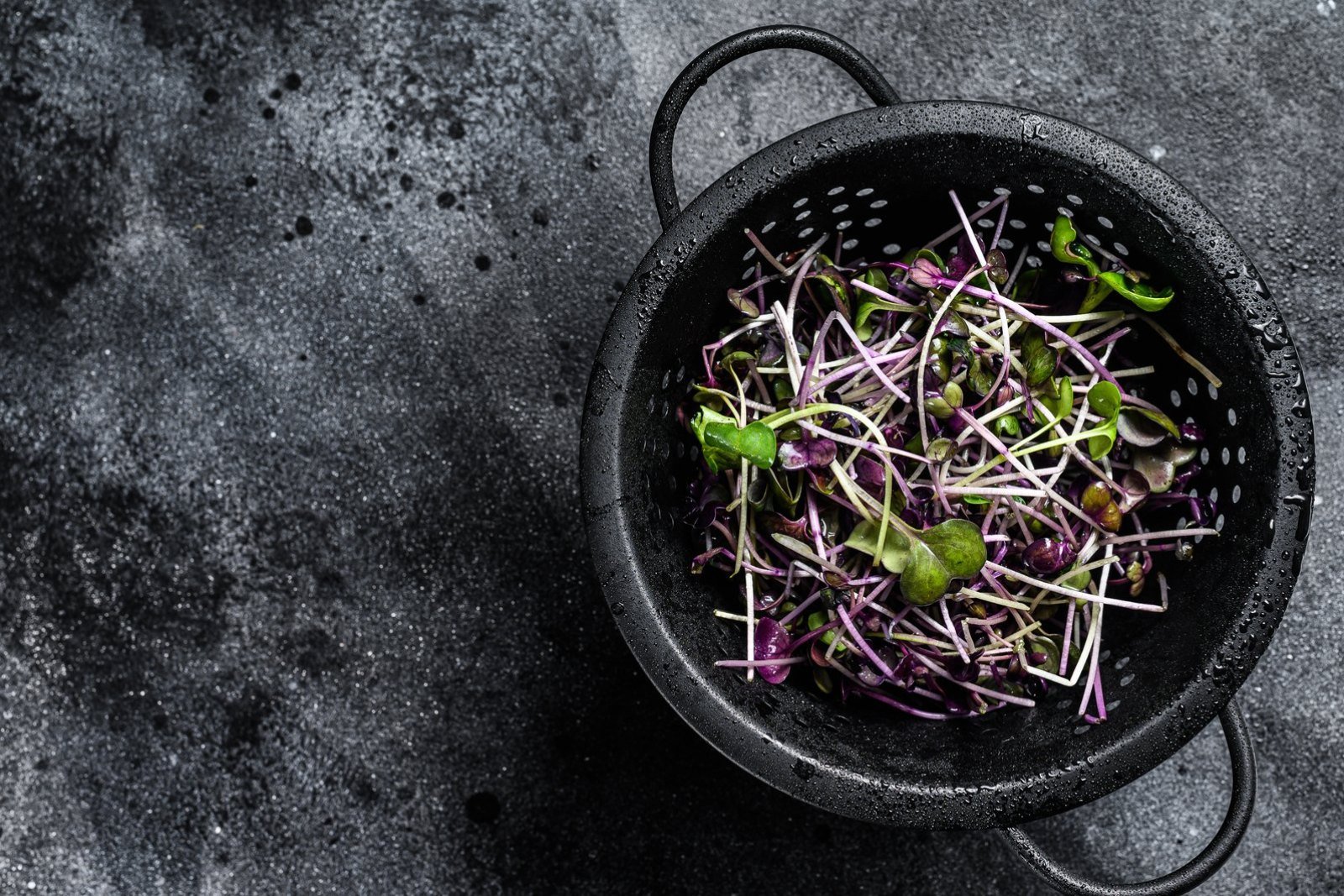
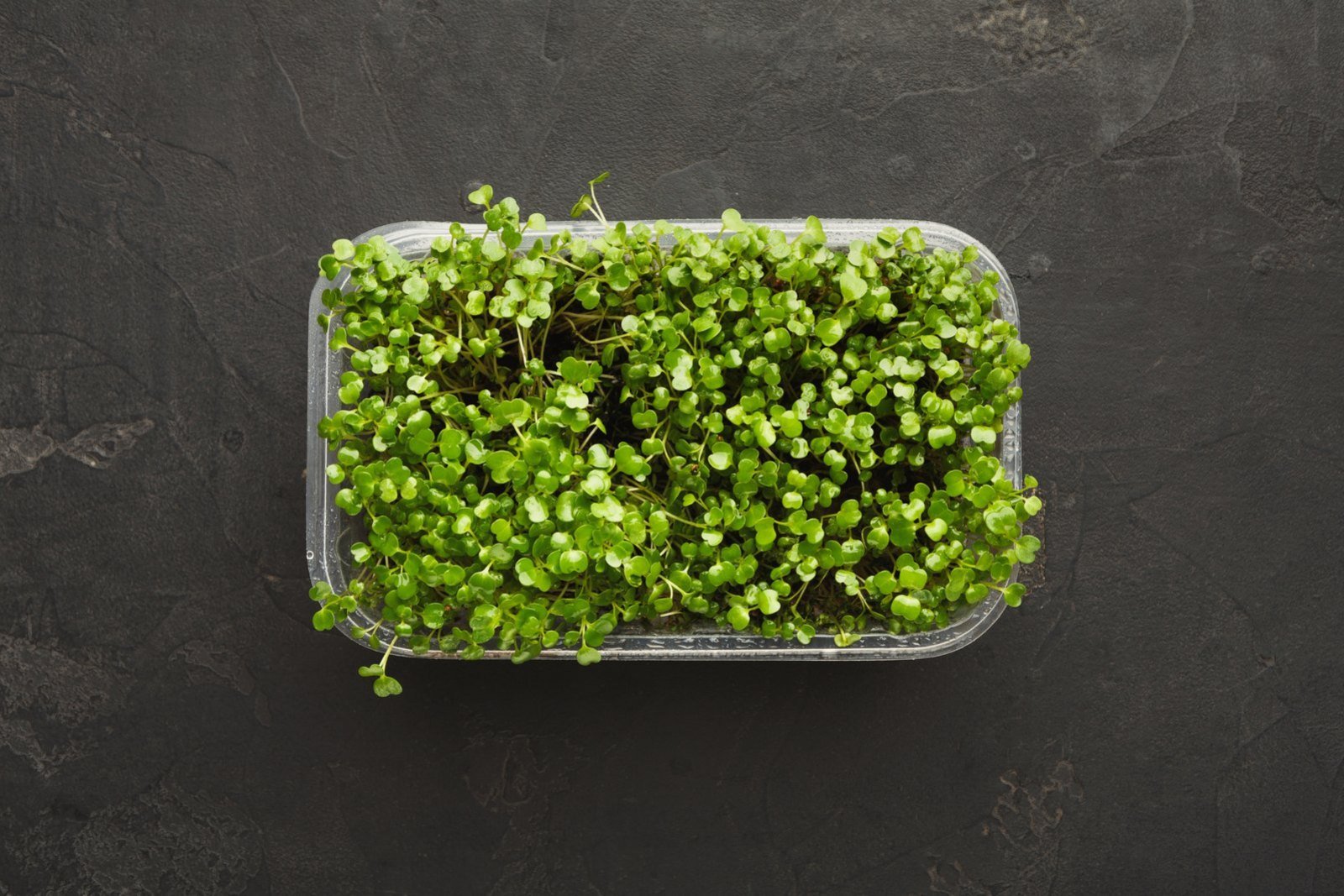
Yes, they can, in the same way other raw produce can. New Mexico State University says microgreens are “about as risky as any fresh produce that is eaten raw.” It adds that only a few studies have looked at their food safety risks (New Mexico State University, n.d.).
The germs of concern are the usual ones for fresh greens. Penn State Extension names E. coli and Listeria as pathogens that can live in the growing mix (Stoltzfus & Fronk, 2025). Salmonella is the germ in the 2026 outbreak covered below (U.S. Food and Drug Administration [FDA], 2026).
Risk is not the same as likelihood. For many years, reviews found microgreens tied to recalls but not to outbreaks (Turner et al., 2020). The record so far is a short list of recalls and one outbreak notice.
A food can be risky in theory and still rarely make anyone ill. Simple habits at home lower the odds further, and the last section of this guide covers them.
The table sums up the record so far.
| Topic | What the record shows |
|---|---|
| Outbreaks up to 2020 | None found in a USDA-led review |
| Recalls up to 2020 | Seven |
| 2026 outbreak | Salmonella, linked to broccoli sprouts and microgreens from one seed lot |
| Germs named by experts | E. coli, Listeria and Salmonella |
Have microgreens ever caused an outbreak?
For years the answer was no. A 2020 review by USDA and University of Maryland scientists found that microgreens had not been tied to any foodborne illness outbreak. They had been the subject of seven recalls, though, so the potential to carry germs was there (Turner et al., 2020).
Here is one example. In April 2018, a British Columbia grower recalled seven microgreen products after a Washington State sampling program found Listeria in its broccoli microgreens. No illnesses were reported (FDA, 2018).
In 2026, microgreens showed up in an outbreak notice. The FDA and CDC are investigating Salmonella infections linked to broccoli sprouts and microgreens grown from a contaminated seed lot. As of the FDA update dated October 9, 2026, 32 people were sick, 3 had gone to the hospital and none had died (FDA, 2026).
Most of those people ate sprouts. Of 27 people interviewed, 22 named broccoli sprouts and one named a microgreen mix with broccoli microgreens (FDA, 2026). Our recalls guide tracks events like this one.
How do microgreens get contaminated?
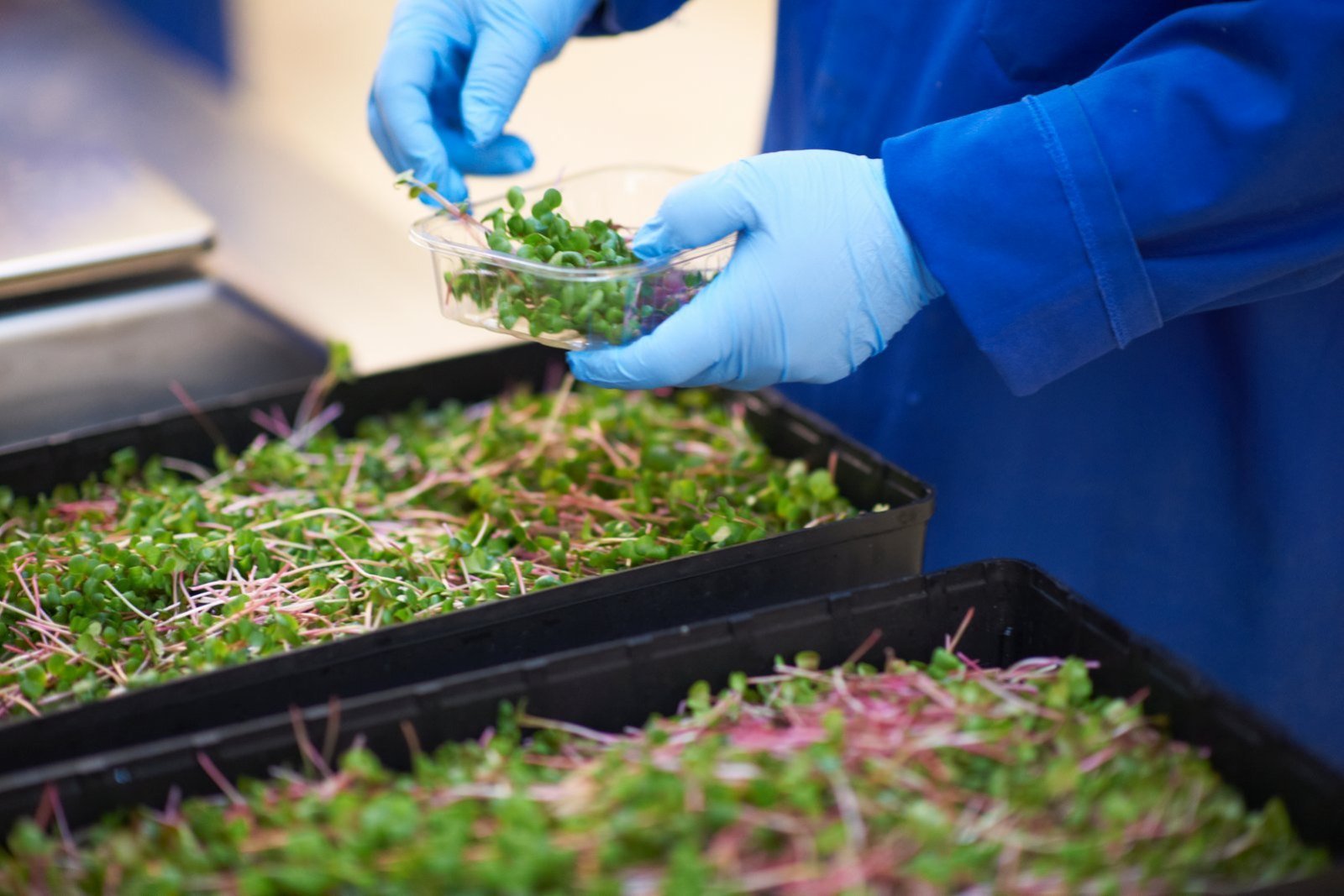
Germs can get in at almost every step on the farm. Penn State Extension lists the main routes. Water used to soak seeds, irrigate or wash the crop must be free of E. coli. The growing mix can harbor E. coli or Listeria. Workers with poor hygiene can carry germs onto the greens at planting, harvest or packing (Stoltzfus & Fronk, 2025).
Warm, damp conditions are part of the problem. Penn State notes that bacteria thrive in the same moist, warm setting that helps microgreens grow (Stoltzfus & Fronk, 2025).
Seed is the other big route, as the 2026 outbreak showed. A USDA lab study grew radish microgreens from seeds dosed with E. coli O157:H7. The bacteria survived and multiplied during the 7 days of growth. Contaminated seeds led to contamination of the whole plant, including the part you eat (Xiao et al., 2015).
None of this means a given pack is unsafe. It means good farms keep close control of seed, water and hygiene. It is fair to ask a grower how they handle each one. You can find local growers to ask in the Microgreens 411 directory.
Who should be most careful with microgreens?
People who get sicker from food poisoning in general. The CDC lists four groups at higher risk: adults 65 and older, children under 5, people with weakened immune systems and pregnant women (Centers for Disease Control and Prevention [CDC], 2025). Weakened immunity can come from conditions such as diabetes, liver disease or kidney disease, or from cancer treatment (CDC, 2025).
Listeria is a special worry in pregnancy. The 2018 recall notice warned that Listeria infection can cause miscarriages and stillbirths among pregnant women (FDA, 2018).
Be careful with advice you read online. The FDA tells higher-risk groups to avoid raw or lightly cooked sprouts of any kind (FDA, 2024). That warning is about sprouts. We found no FDA or CDC rule that tells these groups to avoid microgreens by name, and no trial tested the risk in these groups.
If you are in one of these groups, ask your doctor whether raw microgreens fit your diet.
This article is general information, not medical advice. Ask your doctor or pharmacist about your own situation.
What are the signs of food poisoning from microgreens?
They are the same as food poisoning from any other food. For Salmonella, the FDA says illness usually starts 12 to 72 hours after eating contaminated food. Symptoms include diarrhea, fever and stomach cramps, and they usually last four to seven days (FDA, 2026).
Listeria can look different. The 2018 recall notice lists high fever, severe headache, stiffness, nausea, stomach pain and diarrhea as possible short-term symptoms in healthy people. It warns the infection can be serious and sometimes fatal for young children, frail or elderly people and others with weak immune systems (FDA, 2018).
Age and health matter for Salmonella too. The FDA says children younger than 5, older adults and people with weakened immune systems are more likely to have severe infections (FDA, 2026).
If you feel sick after eating a recalled product, the FDA says to contact your health care provider (FDA, 2026). Tell them what you ate and when you ate it. Keep any leftover pack in the fridge, sealed, and do not eat it.
How can you lower the risk when you buy and eat microgreens?
Keep them cold from store to plate, and wash them before eating. The FDA says to choose pre-cut or packaged produce only if it is refrigerated or kept on ice. At home, keep produce in a clean fridge at 4°C (40°F) or below, and check it with a fridge thermometer (FDA, 2024).
Washing comes next. NMSU says to wash microgreens right before you eat them to reduce the chance of getting sick (New Mexico State University, n.d.). The FDA says to wash produce under running water before you prepare or eat it (FDA, 2024). Our washing guide shows how to do it without crushing the leaves.
Pass on packs that look damaged. The FDA advises choosing produce that is not bruised or damaged (FDA, 2024).
Watch the news for recalls. In the 2026 outbreak, the FDA told consumers, restaurants and retailers not to use the recalled seed lots (FDA, 2026). A grower you can talk to directly makes it easier to ask questions when news like that breaks.
Wrap-up: can microgreens make you sick?
Microgreens can cause food poisoning, but cases are rare. For years the record showed recalls and no outbreaks. In 2026 the FDA linked one Salmonella outbreak to broccoli sprouts and microgreens grown from a contaminated seed lot. Germs can enter through seed, water, growing mix or hands.
People in higher-risk groups should talk to a doctor. Everyone else can treat microgreens like other raw produce: buy them cold, keep them in the fridge and wash them right before eating.
Want greens from a farm you can ask about seed and water? Search your town in the Microgreens 411 directory to find growers near you. Coverage varies by region, so some areas have few listings so far.
Microgreens 411
Find a microgreens grower near you
Greens that travel less start fresher in your fridge. Find my local grower →
Frequently asked questions
Are microgreens safer than sprouts?
Penn State Extension says sprouts carry more risk. Sprouts are harvested earlier, with the seed and seed leaves still attached, and are often grown in water. Microgreens grow in light, which can help reduce bacteria on the crop (Stoltzfus & Fronk, 2025).
Should you wash microgreens with soap or a produce wash?
No. The FDA says washing fruits and vegetables with soap, detergent or a commercial produce wash is not recommended. Plain water from the tap is the advice for all fresh produce, and that includes microgreens (FDA, 2024).
Do pre-washed microgreens need another rinse?
Not by FDA advice. The FDA says many packaged items are pre-washed and ready to eat, and the label will say so. You can use them as they are. If you rinse them anyway, keep them away from unclean surfaces and tools (FDA, 2024).
Are hydroponic microgreens riskier than ones grown in a soil mix?
In one USDA lab test, yes. Researchers contaminated radish seed on purpose and grew it two ways. The edible part carried more E. coli O157:H7 in the hydroponic system than in a peat-based mix (Xiao et al., 2015). It was a lab test, not a survey of store packs.
How can you check whether microgreens were recalled?
The FDA keeps a running list of recalls, market withdrawals and safety alerts. It is built from company press releases and other public notices (FDA, n.d.). The list has a search box, so you can type in microgreens or the brand name printed on your pack.
Where can you report an illness you think came from food?
Start with your health care provider. The FDA takes reports of illness or serious allergic reactions linked to food through its Industry and Consumer Assistance page (FDA, 2026). Have the product name, the store and the date you ate it ready.
References
Centers for Disease Control and Prevention. (2025, January 31). People at increased risk for food poisoning. https://www.cdc.gov/food-safety/risk-factors/index.html
New Mexico State University. (n.d.). All about eating and growing microgreens. All About Microgreens. https://all-about-microgreens-d.nmsu.edu/
Stoltzfus, J., & Fronk, L. (2025, July 29). Ensuring food safety in microgreens production. Penn State Extension. https://extension.psu.edu/ensuring-food-safety-in-microgreens-production
Turner, E. R., Luo, Y., & Buchanan, R. L. (2020). Microgreen nutrition, food safety, and shelf life: A review. Journal of Food Science, 85(4), 870–882. https://doi.org/10.1111/1750-3841.15049
U.S. Food and Drug Administration. (2018, April 25). Greenbelt Greenhouse Ltd recalls Greenbelt Microgreens brand microgreens because of possible health risk. https://www.fda.gov/safety/recalls-market-withdrawals-safety-alerts/greenbelt-greenhouse-ltd-recalls-greenbelt-microgreens-brand-microgreens-because-possible-health
U.S. Food and Drug Administration. (2024, March 5). Selecting and serving produce safely. https://www.fda.gov/food/buy-store-serve-safe-food/selecting-and-serving-produce-safely
U.S. Food and Drug Administration. (2026, October 9). Outbreak investigation of Salmonella: Sprouts (September 2026). https://www.fda.gov/food/outbreaks-foodborne-illness/outbreak-investigation-salmonella-sprouts-september-2026
U.S. Food and Drug Administration. (n.d.). Recalls, market withdrawals, & safety alerts. Retrieved November 3, 2026, from https://www.fda.gov/safety/recalls-market-withdrawals-safety-alerts
Xiao, Z., Bauchan, G., Nichols-Russell, L., Luo, Y., Wang, Q., & Nou, X. (2015). Proliferation of Escherichia coli O157:H7 in soil-substitute and hydroponic microgreen production systems. Journal of Food Protection, 78(10), 1785–1790. https://doi.org/10.4315/0362-028X.JFP-15-063