
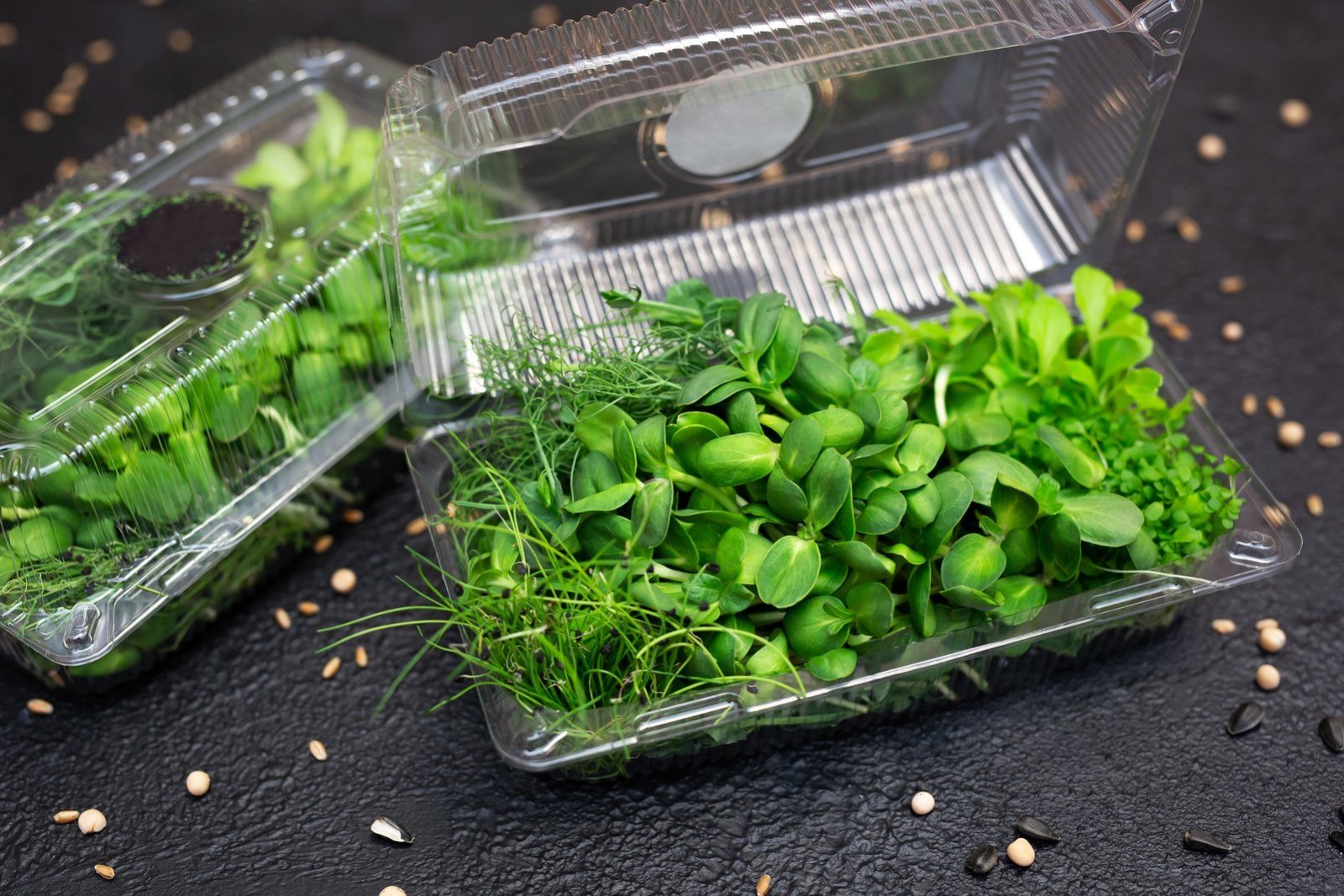
Microgreens are sold to kitchens by the ounce.
That simple fact makes wholesale price lists easy to compare once you know the ranges. A chef might see $18 for one pack and $25 for another and not know which is the better deal. This guide lays out wholesale microgreens prices that restaurants pay, using dated price lists from growers, a New York distributor and two university extension services. It shows how the crop, the seller and your city move the number. Then it shows how to line up two price sheets fairly.
Key Takeaway
Published restaurant prices for common microgreens run about $2.50 to $4 an ounce, or $40 to $64 a pound. Shoots like pea and sunflower cost less, and specialty crops like basil cost more (Corwin, 2026). Compare quotes per ounce, not per pack.
Below: per pound prices from real sources, why crops differ, direct versus distributor buying, city effects, how to compare price sheets and what to ask before you order.
Microgreens 411
Find a microgreens grower near you
Greens that travel less start fresher in your fridge. Find my local grower →
Table of Contents
- What do restaurants pay for wholesale microgreens per pound?
- Why do some microgreens cost so much more than others?
- Does buying through a distributor cost more than buying direct?
- How much does your city change the price?
- How should you compare two microgreens price sheets?
- What should a chef ask a grower before ordering?
- Wrap-up: wholesale microgreens prices, in short
- Frequently asked questions
- References
What do restaurants pay for wholesale microgreens per pound?
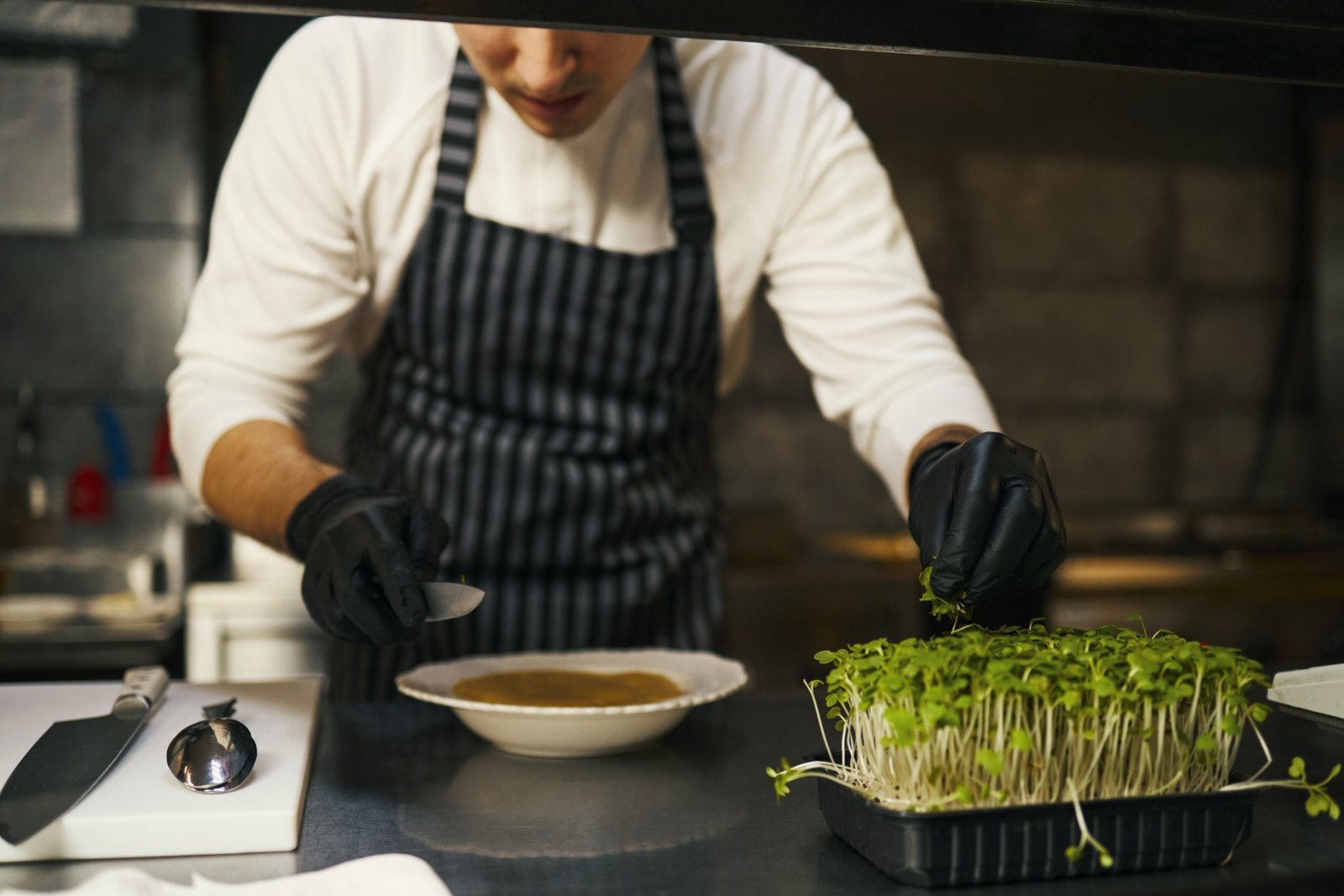
Most published wholesale microgreens prices for common crops work out to about $40 to $64 a pound. A grower who built more than 50 restaurant, retail and school accounts puts common crops like radish, broccoli and arugula at $2.50 to $4.00 an ounce at the restaurant level (Corwin, 2026). There are 16 ounces in a pound, so that range is $40 to $64 a pound.
Other dated sources land in the same zone. In 2024, Piedmont Microgreens in Durham, North Carolina, charged restaurants $18 for 6 ounces of common kinds, or $48 a pound (Corwin, 2024). A University of Missouri Extension budget assumed a sales price of $4 an ounce, based on price forecasts made in March 2024 (Ale & Cabrera-Garcia, 2024).
A New York distributor listed rainbow microgreens at $24.95 for 8 ounces on 12 February 2026 (Foodomarket, 2026). That is about $49.90 a pound. Penn State Extension has seen microgreens sell for $40 a pound in 14 gallon totes through a wholesale market (Sánchez & Berghage, 2025). We read all of these on 12 November 2026, and any of them can change.
| Source and date | Price per pound |
|---|---|
| Piedmont Microgreens, restaurant pack (2024) | $48 ($18 for 6 oz) |
| Missouri Extension budget (March 2024 forecast) | $64 ($4 per oz) |
| New York distributor, rainbow mix (Feb 2026) | About $49.90 ($24.95 for 8 oz) |
| Penn State, wholesale market totes | $40 |
Why do some microgreens cost so much more than others?
The crop sets most of the price. One grower sorts microgreens into four groups. Basic pea and sunflower shoots run $1.50 to $3.00 an ounce. Tendril pea and fava run $2.00 to $4.00. Common crops run $2.50 to $4.00. Specialty crops such as basil, beet, shiso, cilantro and nasturtium run $3.00 to $8.00 an ounce (Corwin, 2026).
Per pound, that spread is wide. Basic shoots come to about $24 to $48 a pound. Specialty crops come to about $48 to $128.
The reasons are practical. Basil takes 20 days or more to grow, and nasturtium seed costs 10 to 20 times what radish seed costs (Corwin, 2026). Yield matters too. The Missouri budget assumed a standard tray gives 15 ounces of cabbage microgreens but only 8 ounces of pea or radish (Ale & Cabrera-Garcia, 2024). Less weight per tray means each ounce has to carry more of the cost.
So a high price on a specialty crop is not a sign of a bad deal. Our guide to why microgreens cost what they do covers the grower side in more depth.
Does buying through a distributor cost more than buying direct?
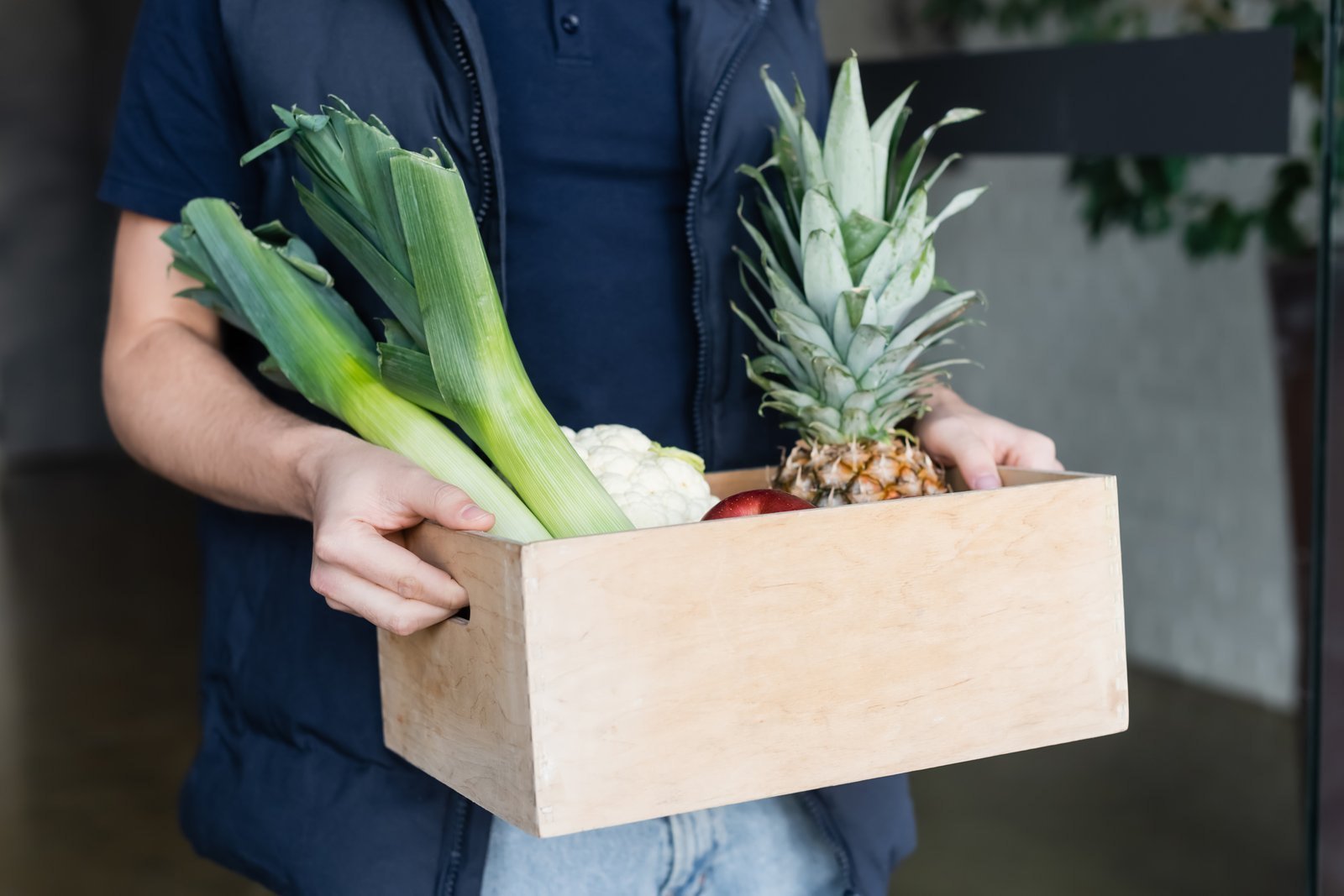
It can, since a distributor adds its own margin. One grower writes that foodservice wholesalers such as Sysco, US Foods and FreshPoint need a 30 to 35% gross margin. To leave room for that, he sells to them at 60 to 70% of his restaurant price (Corwin, 2026).
His older price list shows the gap. In 2024, Piedmont sold common microgreens to restaurants at $18 for 6 ounces, or $3 an ounce. Wholesale buyers paid $14 for 8 ounces, or $1.75 an ounce (Corwin, 2024). The distributor then sells to the kitchen at its own price.
Here is rough math on wholesale microgreens prices, worked by us. If a grower sells a $3 crop to a distributor at $2 an ounce, a 33% margin puts the kitchen price near $3 again. The same grower asks home shoppers for 100 to 110% of the restaurant rate (Corwin, 2026).
Buying direct can mean fresher stock and a person to call when something goes wrong. A distributor can mean one invoice for everything. Our guide to choosing a restaurant supplier weighs the two.
How much does your city change the price?
Less than many chefs expect. One grower writes that a Manhattan chef pays maybe 30% more than a chef in rural Alabama, not four times more (Corwin, 2026).
He gives a rough scale. Growers in rural areas tend to land 10 to 15% below a national baseline. Mid-size cities and suburbs sit at the baseline. Larger metros such as Atlanta, Denver and Austin run 5 to 15% above it. Costly coastal markets, such as Seattle, Boston and much of coastal California, run 15 to 25% above. Manhattan, San Francisco and Aspen can run 30 to 50% above (Corwin, 2026).
Treat that as one grower’s guide, not survey data. Piedmont’s own price list tells readers to weigh cost of living when they compare its Durham prices with their area (Corwin, 2024).
The quickest way to learn your local rate is to ask more than one nearby grower. Search your town in the Microgreens 411 directory and request a chef price list from each one. That gives you real wholesale microgreens prices for your own market.
How should you compare two microgreens price sheets?
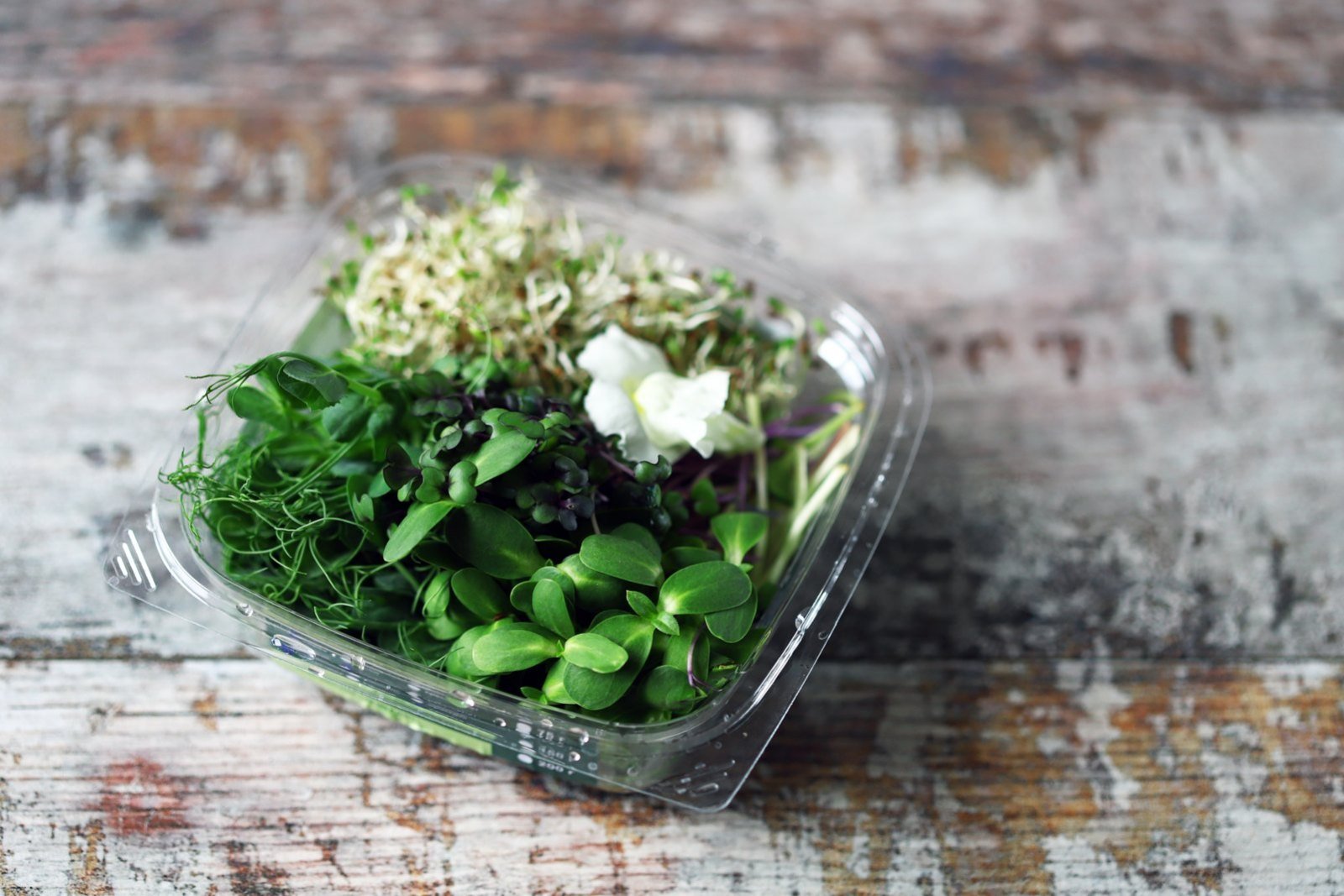
Turn every price into dollars per ounce first. Pack size changes the sticker, not the rate. As one grower puts it, a 2 ounce pack at $6 and an 8 ounce pack at $24 are both $3 an ounce (Corwin, 2026).
Next, check that the pack sizes fit your kitchen. Restaurants buying direct usually get 8 ounce bulk packs for common crops and shoots. Specialty crops often come in 2 ounce packs, since a large pack of cilantro can spoil before the line uses it (Corwin, 2026). Penn State Extension notes that the buyer shapes price, quantity and packaging, such as clamshells or plastic bags (Sánchez & Berghage, 2025).
Then compare like with like. A rainbow mix is not the same product as plain radish, and a tendril pea is not a basic pea shoot. Line up crops in the same group before you judge.
Last, run the per ounce price through your real portion size. Our cost per plate guide shows the formula for turning wholesale microgreens prices into cents per dish.
What should a chef ask a grower before ordering?
Ask about delivery days, fees and how the grower checks each pack. Price matters less if the greens arrive late or light. Penn State Extension tells new growers to decide whether they will deliver weekly to restaurants, how far they will go and what fees apply (Schmidt, 2025). Those are the same questions a buyer should ask.
Ask about the order cycle too. Penn State’s sample plan reads: orders received by Monday are harvested and delivered Tuesday morning (Schmidt, 2025). A schedule like that tells you when to place orders.
Ask how packs are weighed. The same Penn State page describes packs weighed and inspected a second time during packing (Schmidt, 2025). One grower says chefs care more about reliable delivery and true weights than about price (Corwin, 2026).
Last, ask how to store what arrives. Penn State says dark storage at 5°C (41°F) can stretch shelf life up to 10 to 14 days (Sánchez & Berghage, 2025). Our shelf life guide covers how long common kinds keep.
Wrap-up: wholesale microgreens prices, in short
Common microgreens sell to restaurants for about $2.50 to $4 an ounce, or $40 to $64 a pound. Shoots cost less and specialty crops cost more. A distributor adds a margin, and city costs move prices by a modest share.
Compare quotes per ounce, match pack sizes to your covers and ask about delivery, weights and storage before you sign on.
Want a grower who sells to restaurants near you? Search your town in the Microgreens 411 directory and ask for a chef price list. Coverage varies by region, so some areas have few listings so far.
Microgreens 411
Find a microgreens grower near you
Greens that travel less start fresher in your fridge. Find my local grower →
Frequently asked questions
What does it cost a grower to produce one tray?
The University of Missouri budget put total costs at about $25 to $41 per standard tray in 2024. Radish came to $26.16 and cabbage to $40.55, counting seed, growing media, labor, packaging, marketing and equipment (Ale & Cabrera-Garcia, 2024).
How much of the price goes to packaging?
In the Missouri budget, each label was priced at 60 cents and each package at 42 cents. For a tray of mixed microgreens, labels and packages together came to $11.22 out of $30.06 in operating costs (Ale & Cabrera-Garcia, 2024).
Will a grower send samples before I commit?
Many will. Penn State Extension advises growers that small samples, storage and handling instructions and recipe ideas help build ties with chefs. The same page says independent restaurants are often more flexible to work with than chains (Kelley, 2025).
Do growers change their prices during the year?
Most try not to. One grower advises setting a price you can hold for 12 months, since raising prices on restaurant accounts mid-year is awkward and draws pushback (Corwin, 2026). Ask a new supplier how long its price sheet stays in effect.
Is there a bulk discount for bigger orders?
Sometimes. One grower notes that many farms offer a small discount on a larger pack size to encourage bigger orders. He advises new farms to start with one pack size per crop instead (Corwin, 2026). Ask before you assume one exists.
Is a sample price sheet from an extension service a real market price?
Not quite. Penn State gives a sample of a 4 ounce clamshell of spicy mix for $5 in a business plan template (Schmidt, 2025). Examples like that show the format of a plan. Local growers set the real price.
References
Ale, M., & Cabrera-Garcia, J. (2024, July). Microgreens planning budget (Publication G693). University of Missouri Extension. https://extension.missouri.edu/publications/g693
Corwin, G. (2024, July 11). How to price your microgreens. Microgreen Manager. https://microgreenmanager.com/blog/microgreens-pricing-guide
Corwin, G. (2026, April 16). How to price microgreens: A framework for chefs, retailers, and distributors. Microgreen Manager. https://microgreenmanager.com/blog/microgreen-pricing-workbook
Foodomarket. (2026, February 12). Rainbow microgreens wholesale price NYC. https://www.foodomarket.com/en-us/products/fruits-and-vegetables/rainbow-microgreens
Kelley, K. (2025, June 4). Marketing microgreens. Penn State Extension. https://extension.psu.edu/marketing-microgreens
Sánchez, E., & Berghage, R. (2025, December 16). Growing microgreens. Penn State Extension. https://extension.psu.edu/growing-microgreens
Schmidt, C. (2025, September 27). Business planning for your microgreens operation. Penn State Extension. https://extension.psu.edu/business-planning-for-your-microgreens-operation